What Do You Need To Know Before Taking A Trip In Your Camper Or RV
If you’re thinking about hitting the road in your camper or RV, there’s some stuff you’ll want to get straight before you turn the key. Having spent plenty of nights parked up everywhere from beach fronts to tiny mountain towns, I’ve learned that prepping for RV travel makes a huge difference in how chilled out, and fun, your trip can actually be. Whether you’re new to the camper lifestyle or just want to make sure your next getaway goes smoothly, I’ll walk you through what I think is really important to know before pulling out of the driveway.
Getting Ready: Basics of Camper and RV Travel
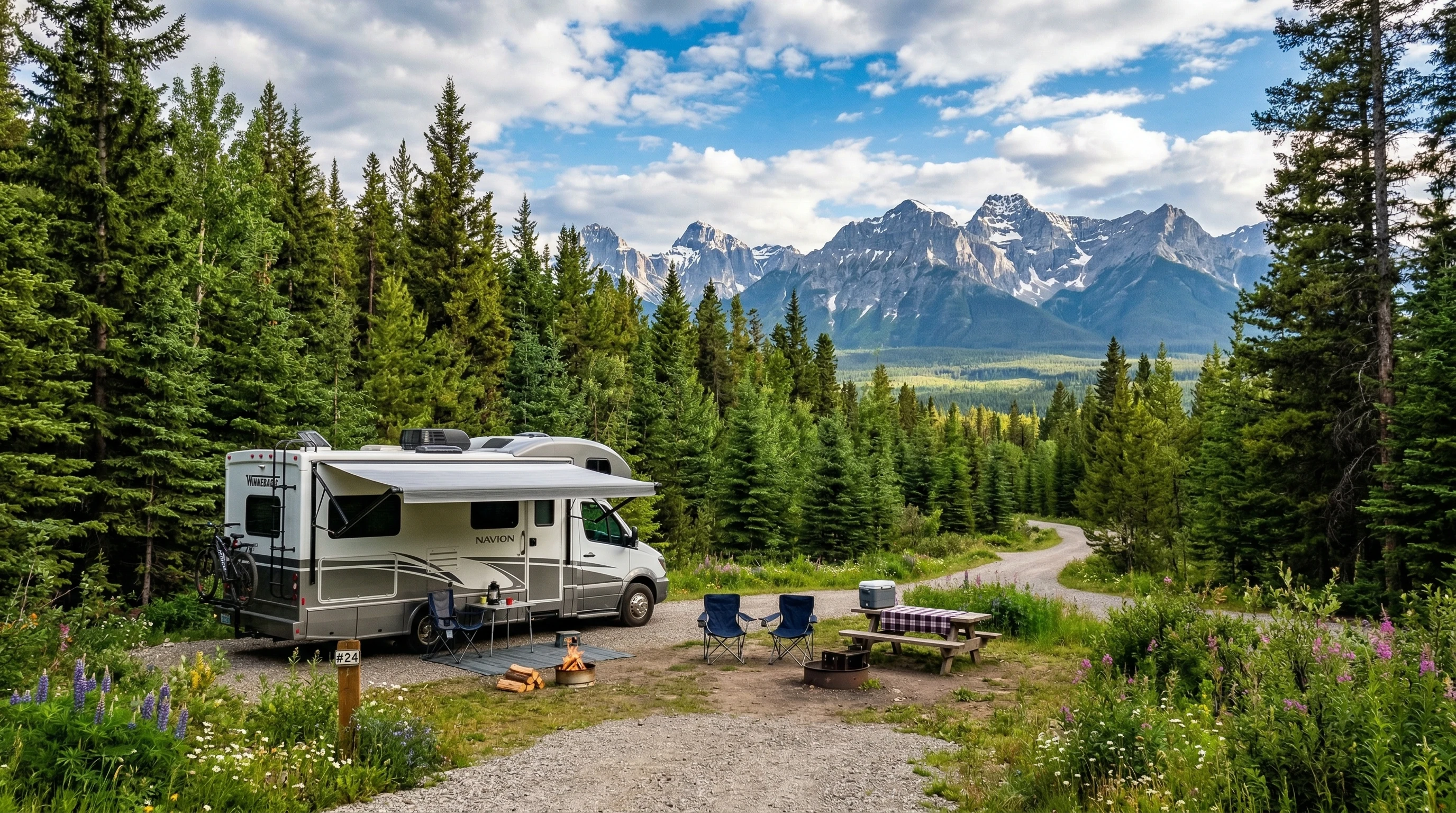
RV travel is a pretty freeing way to see the world, but it brings along some specific responsibilities and a few quirks you might not expect. Planning ahead helps you avoid a lot of the headaches that frustrate first-timers. The popularity of campers and RVs is growing each year, especially among folks looking for road trips, family vacations, and even long-term living.
RVing is way more than just having a bed on wheels. It’s about knowing the ins and outs of your rig, understanding how to keep things running, and figuring out how to keep life simple wherever you park. With the RV market in the U.S. and Europe valued in the billions and campgrounds busier than ever, being prepared is a big deal for a relaxed adventure.
It’s also worth noting that RV travel isn’t just an American pastime. All over the world, people are latch onto the mobile living trend, from European campervan tours to van-lifers seeking remote wilderness solitude in Australia and New Zealand. No matter where you roam, many of the same basic prep steps apply: knowing your route, respecting local customs, and planning for repair stops well in advance. Many seasoned travelers will tell you their best days were made by chance encounters or a last-minute switch up. So while it’s good to have a game plan, leave yourself wiggle room for exploration and fun you didn’t expect.
Key Things You Need to Know Before Traveling in Your RV
Before you even think about unplugging from the city, you need to get a solid grasp on the basics. A little know-how goes a long way in keeping your RV in good shape and your road trip stress-free. Here are some essential terms and concepts you’ll want to have covered:
- Hookups: Refers to connecting your RV to electricity, water, and sewage at campgrounds. Not all sites offer full hookups, so it pays to ask ahead.
- Boondocking or Dry Camping: Camping without utility hookups. This is great for remote adventures but takes extra water and power planning.
- Slideouts: Sections of your RV that extend to give you more room when parked. You need to know how to use them properly so you don’t accidentally cause damage or get stuck at a tight campsite.
Familiarizing yourself with the basic systems of your RV—like the electrical panel, propane tanks, and water lines—will save you from headaches down the line. Reading the owner’s manual and watching a few video walkthroughs can be surprisingly helpful. You may even want to connect with online camping forums or social media groups, where fellow travelers share mishaps and clever fixes that could help you avoid the same mistakes.
Your Pre-Road Checklist: Getting Your Camper Ready
Traveling in a camper or RV isn’t tough, but the more comfortable you are with your rig, the better your trips turn out. Here’s how to set yourself up for success:
- Inspect Your RV: Walk around and check for tyre wear, fluid leaks, loose awnings, and anything that looks off. It’s way easier to fix stuff at home.
- Test All the Systems: Make sure the water pump, brakes, lights, propane, and electrical system all work before you leave. If travelling in cooler weather, don’t forget to check your heaters.
- Pack Thoughtfully: Space is at a premium, so stick to the basics and focus on versatile gear. Bins and collapsible items are super useful.
- Verify Paperwork: Bring your registration, insurance, campground reservations, and roadside assistance info.
- Plan Your Route: GPS doesn’t always know about low bridges or tiny roads. Use maps or RV-specific apps for safe routing.
Going through these checks gives you a smoother start and keeps those campground stories funny, not frustrating. It’s also smart to give yourself a practice run around your neighborhood to get a feel for your camper’s handling. You’ll learn how it maneuvers and be more confident once you hit the highway. If you’re renting your RV, plan for extra time during pickup to ask the owner or rental company a bunch of questions—don’t be shy about it, even if you think you know a bit already.
Potential Challenges Worth Preparing For
Every style of travel has its learning curve, and RVing isn’t any different. Here are a few common realities and how to handle them before they mess up your vacation:
- Limited Space: Packing light isn’t just a suggestion; it keeps things comfortable and prevents overload.
- Power Consumption: Know how much electricity your stuff uses. Running a blow dryer, microwave, and AC all together can trip breakers in older rigs or small campgrounds.
- Water and Waste Tanks: Understanding how to fill, use, and empty your tanks is really important. Practice at home before you have an audience.
- Weather Changes: RVs get hot in the sun and chilly at night. Window covers and portable fans or space heaters can make a big difference.
One way to head off these headaches is to keep a written record or checklist of your RV’s quirks and details. Jot down which drawers need an extra nudge to close, how you secure loose items while driving, or where you stashed spare keys and fuses. These small notes can be a life-saver, especially when you’re dealing with a break or when the weather turns sour unexpectedly.
Power & Electrical Planning
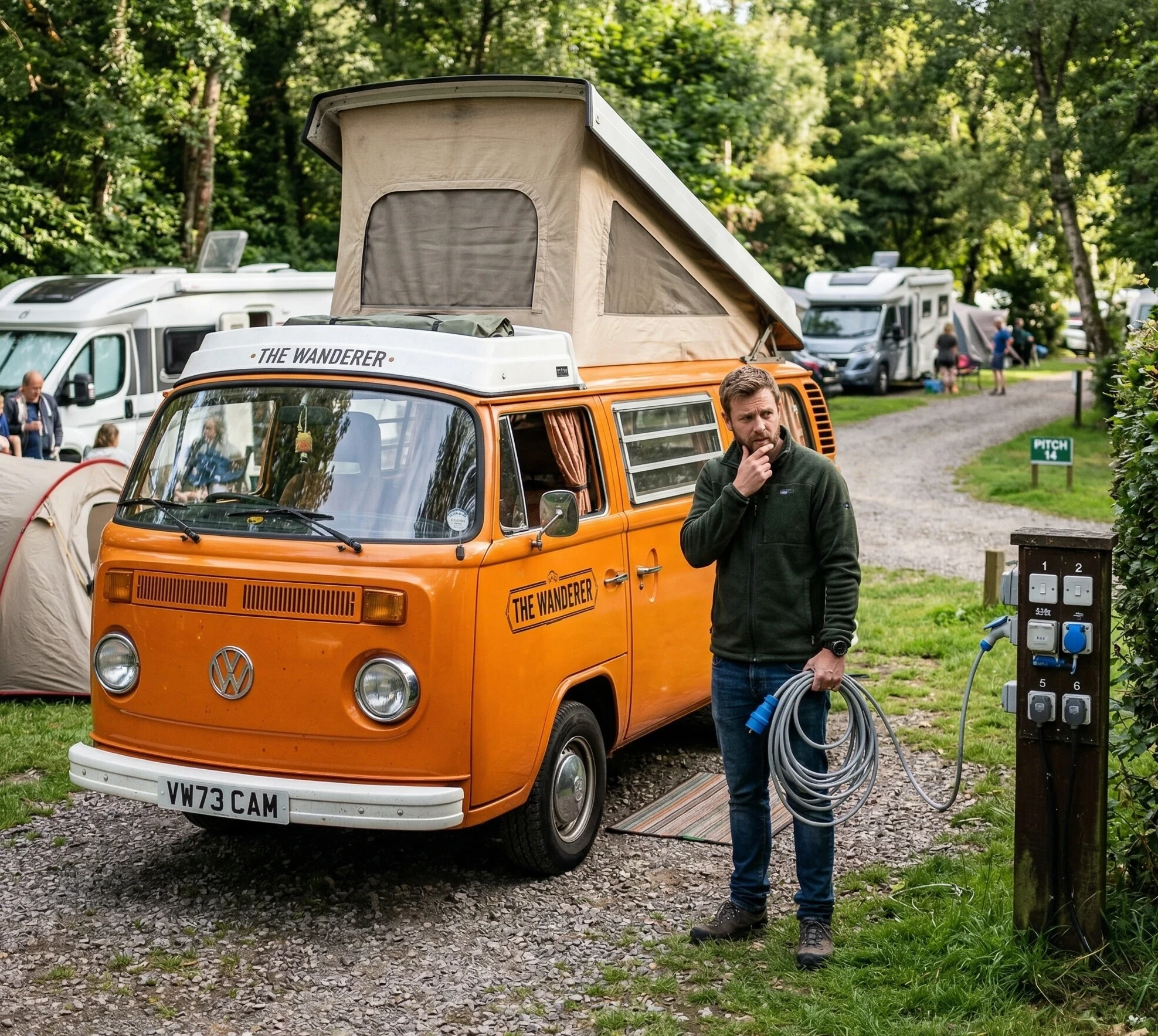
Electricity is a big topic in RVing, especially if you’re dry camping. You need to know what systems run on 12volt (battery) vs. 110volt (plugged into shore power). Having a few extra fuses, surge protectors, or even a portable generator is pretty handy. It’s always surprising how quickly you start watching your battery monitor when you’re not plugged in. As you gain experience, you’ll figure out creative ways to stretch battery life, like switching to LED lights or using your phone on airplane mode to save juice overnight.
Managing Water and Waste
Your RV carries fresh water plus two types of waste tanks: grey water (from sinks/showers) and black water (from the toilet). Keep a dedicated freshwater hose, know how to safely empty the waste tanks, and always double-check for leaks. Using biodegradable soap and RVsafe toilet paper keeps things running smoothly too. Some people carry disposable gloves and disinfectant for tank dumping—an easy addition that pays off in peace of mind and cleanliness on the road.
Packing and Storage Smarts
It’s easy to overpack when you’re excited for the open road, but trust me, less really is more. Flexible storage solutions like collapsible bins, magnetic spice holders, and hanging organizers save space and add convenience, making it easier to find what you need during a trip. Packing clothing that layers easily helps deal with big temperature swings, and a grab-and-go bag with daily essentials avoids constant unpacking at each new stop.
Extra Tips to Make Your RV Travel Smoother
After the basics, some insider tips make life a lot easier in a camper or RV. Here are a few favorites from my own trips:
Get to Know Campground Etiquette: Say hi to your neighbors, keep noise down, and always clean up after pets. Little things like this keep everyone in a good mood.
Plan for Connectivity: Cell signal can be hit or miss at campgrounds, so bring a hotspot or know where the WiFi sweet spots are if you need to work or check in back home. Offline maps and downloads are a smart idea; you’ll be glad you preloaded podcasts or playlists when you lose signal in the woods.
Backup Safety Gear: Consider a tyre pressure monitor, basic toolkit, a good flashlight, and a weather radio. They don’t take up much space but come in handy more than I ever expected. Fire extinguishers, spare batteries, and walkie-talkies are nice additions for group trips or when cell phones won’t work.
Try Shorter Trips First: If you’re new to RV travel, weekend getaways close to home are a good way to work out the kinks before you commit to a long haul. Take notes about what you used and what stayed in the cupboard unopened—this will help fine-tune your packing for the future.
RV Travel Packing List for Newbies
Wondering what to bring? Here’s my down-to-earth list, focused on things you’ll actually use on your first few adventures:
- Spare keys (keep them outside the rig, seriously)
- Leveling blocks for uneven campsites
- Extra drinking water and water filter
- Emergency food (granola bars, canned beans, etc.)
- Warm layers and rain gear
- Basic toolkit and duct tape
- Camping chairs and a small table
- Headlamps and lanterns
- First-aid kit
If you’re bringing pets, pack their basics too—leashes, water bowls, and up-to-date vaccination records, as some campgrounds will ask. For those planning longer trips, a compact vacuum cleaner or handheld broom helps keep your space fresh. Packing light but smart means you have what you need without weighing yourself down and you leave more room for souvenirs and local finds from the places you stop.
Common Questions About Camper and RV Travel
Here’s a quick roundup of some things people often ask before their first RV trip:
Question: Do I need a special license to drive an RV?
Answer: Usually, a regular driver’s license works for most campers and RVs. If you’re driving something massive (think big Class A rigs), check your state rules. In the UK, people can drive up to 3.5 tonnes on a regular licence and would need to take a test for anything bigger.
Question: Can I camp anywhere I want?
Answer: Some places allow free overnight parking (called boondocking), but rules vary by city, state, or country. Most RVers stick to state parks, campgrounds, or sites like Harvest Hosts for safe, legal parking. There are a lot of apps that show free parking and also clubs and associations to join that have the advantage of cheaper fees.
Question: How do I find places to stop along my route?
Answer: Download RV or camping apps and check reviews for real-life advice. Websites like Campendium and AllStays are really useful for everything from campground quality to the nearest dump station.
Question: What about cooking and eating in an RV?
Answer: Most RVs have at least a basic kitchen. Small fridge, stove, maybe a microwave. Plan for simple meals and bring some backup snacks. Cooking outside on a portable grill or campfire is always a favorite, too. Planning meals in advance helps cut down on food waste and stress at the campsite.
Traveling in a camper or RV gives you a ton of freedom, but being ready takes more than just filling up your gas tank. Knowing your way around your rig, packing what you’ll really use, and keeping an open mind for the surprises that come with road life make your adventure way more enjoyable. There’s a real community on the road, and everyone’s learning as they go. Myself included! If you’re eager to jump into your first RV adventure, remember that the learning never really stops, and each trip is a chance to get things right for next time.